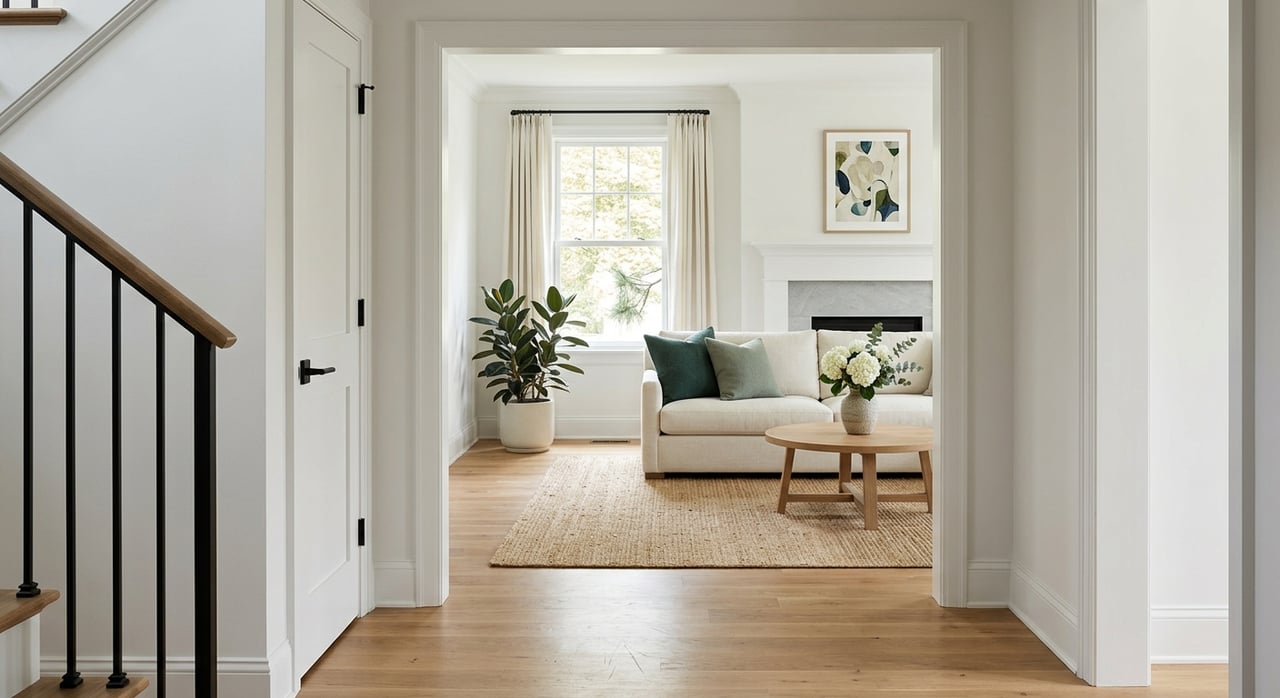
If you are getting ready to sell in Amherst, it is easy to wonder what really matters and what can wait. In a market with older homes, varied property types, and buyers who start their search online, thoughtful preparation can shape both first impressions and buyer confidence. The good news is that you do not need to do everything at once. You need a clear plan that helps your home show well, answer questions well, and move to market with fewer surprises. Let’s dive in.
Understand the Amherst market
Amherst is not a one-note market, and that is important when you prepare your home for sale. The town’s 2025 Housing Needs Assessment says renters make up 54.1% of households, the median age is 21.8, and UMass Amherst enrolled 23,116 undergraduates in fall 2025. That mix means your buyer could be an owner-occupant, a downsizer, or someone looking for a college-adjacent property, so your home should appeal to a broad audience.
Amherst also has older and more varied housing than many towns. The town reports that 61.5% of housing units were built before 1980, and only 14.2% were built in 2000 or later. When buyers look at older homes, they often pay close attention to condition, layout, maintenance, and how clearly the home has been cared for over time.
Local values remain strong, but strong values do not replace good preparation. Amherst reported a 2024 median single-family sale price of $600,000 for 91 sales, while the assessor newsletter listed an average single-family value of $588,826, and FY26 taxable property value increased 8.9% year over year. In a high-value market, presentation still matters because buyers are comparing details closely.
Start with what buyers notice first
Before you think about larger projects, focus on the details buyers and inspectors will see right away. Massachusetts home inspections cover visible roof, exterior, structure, electrical, plumbing, heating, cooling, and foundation components. That makes visible upkeep a smart place to begin.
Small repairs often carry more weight than sellers expect. A dripping faucet, loose hardware, peeling caulk, burned-out lightbulb, or dusty return vent can make a home feel less cared for. These are usually easier and less expensive to address than a major renovation, and they can help your home feel more polished from the start.
Access also matters. Inspectors need safe access and sufficient lighting, so utility rooms, attic entries, basement areas, and mechanical systems should be easy to reach. Clearing those spaces early can help your home show as organized and easier to evaluate.
Choose targeted updates over major remodels
In Amherst, broad renovations are not always the best use of time or money before listing. Because so much of the housing stock is older and the market remains active, targeted improvements often do more to improve buyer perception. The goal is to help your home feel bright, clean, and easy to understand.
A few updates often make an immediate difference:
- Fresh neutral paint in the most visible rooms
- Updated lighting where spaces feel dim
- Simple hardware refreshes in kitchens and baths
- Clean, tidy entryways
- Basic landscaping and trimmed plantings
- Well-maintained front steps, railings, and walkways
These updates can help buyers focus on the home itself rather than on a list of minor distractions. They also photograph well, which matters because most buyers begin their search online.
Declutter for photos and showings
Decluttering is one of the most effective prep steps, especially in a market where online presentation does so much of the early work. According to the 2025 staging report from NAR, staging reduced time on market for 49% of sellers’ agents and increased the dollar value offered for 29% of them. You do not need to create a perfect magazine set, but you do want clean, open rooms that feel easy to move through.
Start by removing excess furniture, personal items, and anything that interrupts the flow of a room. Closets, mudrooms, basement storage areas, and kitchen counters also deserve attention because buyers notice whether a home feels functional. If a room has an unusual shape or more than one possible use, a simpler setup can help buyers understand it quickly.
For many Amherst homes, this is especially important. Older layouts, additions, lower levels, and bonus spaces can be charming, but they need to read clearly in person and in photos. When a home feels easy to understand, buyers often feel more confident taking the next step.
Make your home easy to read online
Your listing photos should do more than make the home look attractive. In Amherst, where the housing stock includes single-family homes, condos, and multifamily properties, photography should help buyers understand how the home lives. Clarity can reduce hesitation and help serious buyers decide whether to schedule a showing.
That means highlighting:
- Room flow between main living spaces
- Natural light throughout the day
- Storage areas and closet space
- Basement or attic access when relevant
- Outdoor living areas, patios, decks, or yards
- Entryways, mudrooms, and practical transition spaces
This is particularly helpful for older homes or homes with more complex layouts. The more clearly your home answers a buyer’s questions online, the stronger your launch can be.
Gather documents before you list
Preparation is not only about appearance. It is also about being ready to answer buyer questions with clear information. In Amherst, gathering records early can help reduce stress once interest picks up.
A good starting checklist includes:
- Permit and improvement records
- Sales history and property record information
- Dates for major updates or repairs
- Appliance or system ages, if known
- Service records for key systems, if available
Amherst Maps provides access to sales history, permit history, and the property record card. Reviewing what the town already has on file can help you confirm details before your home goes live.
Massachusetts also expects properties to be presented honestly and accurately, and known material defects should be disclosed. Clear records can help you respond with confidence instead of estimates or incomplete memories.
Plan for Amherst and Massachusetts requirements
Some sale-prep items should be handled early because they can affect your timeline. In Amherst, this matters even more because many homes are older and may involve added paperwork or inspections.
If your home was built before 1978, lead documentation should be on your list right away. The federal lead disclosure rule applies to most pre-1978 housing, and Massachusetts maintains lead history records that buyers and sellers can access. Since a large share of Amherst homes predates 1980, this step is often relevant.
If your property has a septic system, MassDEP recommends having it inspected when buying or selling a home, and the buyer must receive a copy of the inspection report. It is best to treat that as a scheduling item early in the process rather than a last-minute task.
For one- and two-family homes, Massachusetts requires a certificate of compliance from the local fire department for smoke and carbon monoxide alarms at sale or transfer. That inspection can affect closing timing, so it is wise to plan ahead.
Massachusetts also protects a buyer’s right to a home inspection in residential sales. Sellers and agents may not condition acceptance on a buyer waiving inspection rights, and a separate written disclosure must be provided before or at the first purchase contract. That makes inspection readiness just as important as visual presentation.
Time your launch for readiness
It is tempting to focus on a specific week or season, but in Amherst the better strategy is often launching when your home is fully ready. The assessor newsletter notes continued strong market demand into 2026, with smaller homes and condos moving especially quickly and condos averaging less than 60 days on market. Speed matters, but readiness matters more.
A rushed listing can lead to weaker photos, unfinished repairs, and missing paperwork. A well-prepared listing gives your online presentation a stronger first impression and helps showings go more smoothly. When buyers feel both excited and reassured, they are more likely to move forward with confidence.
In practical terms, a ready-to-launch home is:
- Clean and decluttered
- Repaired where visible issues exist
- Staged or simplified for photos
- Organized with documents and records
- Scheduled for any needed inspections or compliance items
That kind of preparation can help you avoid preventable delays once buyers start engaging.
Why confident prep pays off
Selling a home in Amherst is rarely just about putting a sign in the yard. It is about presenting your home clearly, preparing for real buyer questions, and making the process feel manageable from the beginning. In a market shaped by older housing, strong values, and a broad mix of buyers, thoughtful preparation helps your home stand out for the right reasons.
The best seller prep is calm, strategic, and grounded in what matters most. When you focus on condition, clarity, documentation, and timing, you give yourself a stronger foundation for the sale ahead. And that often leads to a smoother experience from listing through closing.
If you are thinking about selling in Amherst and want a thoughtful, local plan for getting your home market-ready, Lauren Robertson can help you prepare with clarity, care, and practical next steps.
FAQs
What home improvements matter most before selling in Amherst?
- In Amherst, targeted updates like neutral paint, better lighting, small repairs, tidy landscaping, and decluttering often make more sense than major renovations because many homes are older and buyers pay close attention to condition and presentation.
What documents should Amherst home sellers gather before listing?
- Amherst home sellers should gather permit and improvement records, property record details, sales history, and any available information on major repairs, systems, or updates so they can answer buyer questions clearly.
What inspections or compliance items should Amherst sellers plan for early?
- Amherst sellers should plan early for smoke and carbon monoxide alarm compliance for one- and two-family homes, septic inspections if the property uses a septic system, and lead-related paperwork if the home was built before 1978.
Why is decluttering important when selling an Amherst home?
- Decluttering helps Amherst homes photograph better, feel more spacious in showings, and make it easier for buyers to understand the layout, which is especially helpful in older homes with varied room sizes or more complex floor plans.
When is the best time to list a home in Amherst?
- The best time to list a home in Amherst is usually when it is fully photo-ready, repair-ready, and compliance-ready, since a complete launch package can create a stronger first impression and help avoid delays later in the sale process.
