If you are looking for a place that feels lively without feeling overwhelming, Northampton often lands on the shortlist fast. You may be drawn to the arts scene, the café culture, or the idea of living somewhere you can mix daily errands with trail time and evenings downtown. The good news is that Northampton offers a mix of all three, along with housing options that feel more varied and character-filled than many newer communities. Let’s take a closer look at what everyday living here can feel like.
Why Northampton Stands Out
Northampton is a city of about 31,000 residents in Hampshire County, and its appeal comes from how many lifestyle pieces fit together in one place. You get a historic downtown, established residential neighborhoods, and the village centers of Florence and Leeds, all within the same city.
For many buyers, that blend matters. Northampton can feel like a small city with a strong sense of place, where daily life is shaped by independent businesses, older homes, and a rhythm that supports both convenience and character.
Arts Shape Daily Life
One of Northampton’s clearest strengths is its arts presence. Official city sources describe downtown as a hub for independent shops, restaurants and cafes, galleries, museums, clubs, and theaters.
The Paradise City Cultural District covers about 14 walkable and bikeable blocks, which helps make the arts feel woven into everyday routines rather than limited to special events. You may be heading out for coffee or dinner and find a gallery stop or live performance naturally becoming part of the plan.
Northampton also supports recurring public events through the city culture office and Arts Council. Programming includes First Night, Transformance, Arts Night Out, Parties in the Park, and a monthly gallery walk.
That kind of regular programming can make a city feel active and connected year-round. If you want a place where there is often something going on without needing to plan a major outing, Northampton offers that kind of energy.
Cafes and Downtown Rhythm
For many people, Northampton’s downtown is the center of its lifestyle appeal. The city highlights a concentration of independent restaurants, cafes, shops, and arts venues, which gives downtown a local feel that is hard to replicate in more car-centered areas.
If you picture weekends that start with a coffee run, a walk through downtown streets, and a stop at a local shop before meeting friends for lunch, Northampton supports that routine well. The same is true for quieter weekday patterns, whether you are grabbing a quick breakfast, meeting someone casually, or enjoying a short walk after work.
Because so much is clustered in the core, downtown life here is less about one destination and more about how easily several small moments can connect. That is often what people mean when they say a place feels walkable and lived-in.
Trails and Getting Around
Northampton’s outdoor access is another big part of everyday life. According to the city, its shared-use path network reaches about 70% of residents, and the city plan identifies 14 miles of multi-use trails and about 8.5 miles of bicycle lanes.
Well-known routes include the Norwottuck Rail Trail, the Manhan Rail Trail, and the Northampton Bikeway. For you, that can mean easier access to a walk, bike ride, or outdoor break without needing to make it a major event.
This kind of connectivity can shape how a place feels on an ordinary Tuesday, not just on a sunny weekend. It gives residents more options for movement, recreation, and local travel close to home.
Northampton also offers regional connections through PVTA links to Amherst, Hadley, South Hadley, Easthampton, and Greenfield, along with Amtrak service in the city. If you value having multiple ways to get around, that adds another layer of flexibility.
Northampton Neighborhood Feel
Northampton is not just one experience. While downtown gets much of the attention, the city also includes traditional residential neighborhoods and the village centers of Florence and Leeds.
That means your day-to-day experience can vary depending on where you land. Some areas may place you closer to downtown activity, while others may feel a little more tucked into established neighborhood streets or village-centered surroundings.
What stays consistent is the broader city identity. Across Northampton, the draw tends to be a mix of history, community activity, local business presence, and access to both culture and outdoor amenities.
What Homes Look Like Here
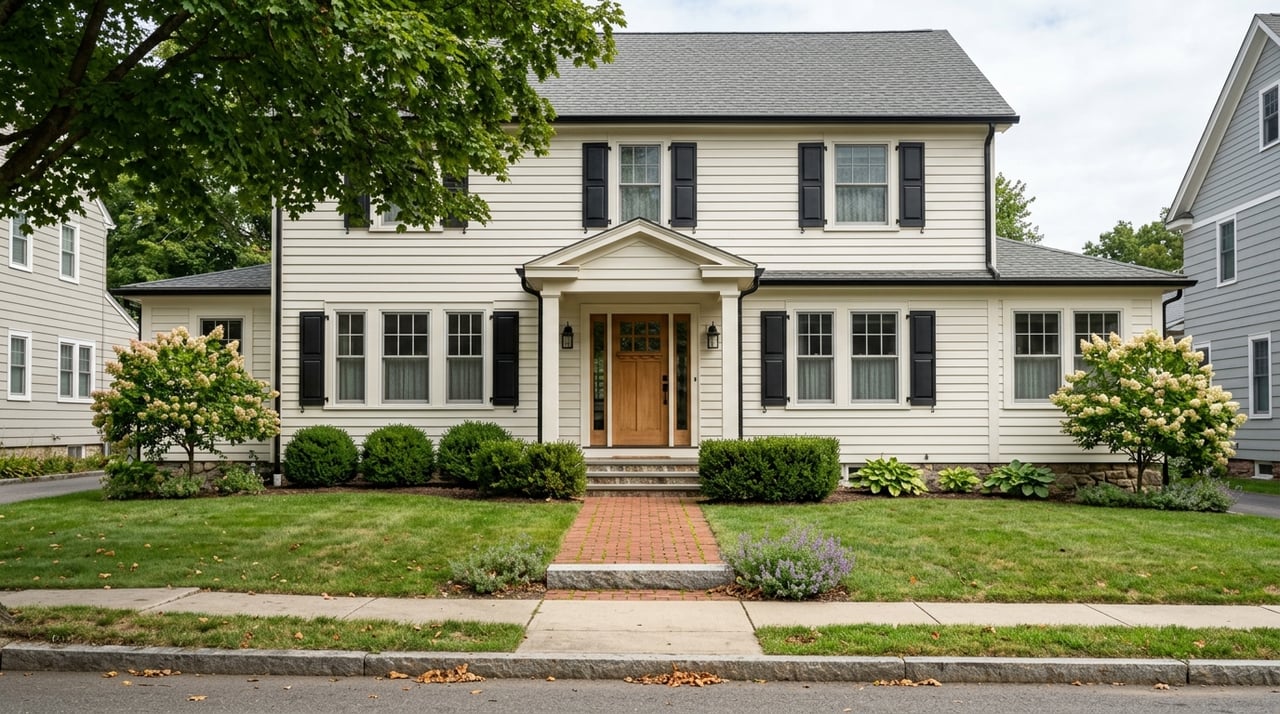
Northampton’s housing stock is mixed, which is important to know if you are starting your search. According to the city’s housing plan, about 45% of residential properties are detached single-family homes, 9% are attached single-family homes, 23% are two-to-four-unit properties, 14% are five-to-19-unit buildings, and 9% are 20-plus-unit properties.
In plain terms, this is not a city made up of one housing type. You may see classic single-family homes, smaller multifamily buildings, condos in larger structures, and a range of older residential formats that reflect Northampton’s long history.
About 40% of occupied homes were built in 1939 or earlier. For buyers, that often means more architectural character and more established streetscapes. It can also mean that homes may come with the quirks and maintenance considerations that often accompany older housing.
What the Market Means for Buyers
Northampton’s housing data points to a fairly tight market. The city reported a 2023 homeowner vacancy rate of 1.1% and a rental vacancy rate of 3.6%, which suggests limited available inventory on both sides of the market.
Other recent market snapshots help show the pace and price environment, even though they measure different things. Census QuickFacts lists a 57.3% owner-occupied rate, a median owner value of $429,700, and median gross rent of $1,439.
Recent market trackers show higher current figures. Redfin reports a median sale price of $498K and about 23 days on market, Zillow places typical home value at $503,816, and Realtor.com shows a median listing price of $687K. Zillow’s asking-rent index is about $2,419 per month.
These numbers are best read as directional rather than identical, but the overall story is clear. If you are buying in Northampton, it helps to be prepared for a market that can move quickly and where pricing can vary depending on property type, location, and condition.
What This Means for Sellers
If you are thinking about selling in Northampton, the same tight-market conditions can support strong interest, especially when a home is well presented and priced with care. Because the housing stock is older and varied, thoughtful preparation can also make a real difference in how buyers understand value.
That may include highlighting character, clarifying updates, and presenting the home in a way that helps buyers picture everyday living there. In a market with a mix of single-family homes, condos, and small multifamily properties, strong positioning matters.
For sellers moving into a next chapter, Northampton can also create a layered decision. You may be weighing whether to stay in town in a smaller or easier-to-manage home, or whether to move to a nearby community with a different pace.
Northampton Compared With Nearby Towns
If you are still narrowing down where you want to live, it helps to compare Northampton with a few nearby options.
Amherst Lifestyle
Amherst is often the closest comparison. Official town information emphasizes educational and cultural opportunities and notes the presence of Amherst College, Hampshire College, and the University of Massachusetts Amherst.
Like Northampton, Amherst also has trail access, including the Norwottuck Rail Trail. Realtor.com shows a current median listing price of $549K. In broad lifestyle terms, Amherst may feel more explicitly campus-centered, while Northampton often reads as more downtown-and-arts centered.
Easthampton Lifestyle
Easthampton can appeal to buyers who want an arts-forward setting in a somewhat smaller-city environment. The city describes itself as an industrial New England village and highlights Easthampton City Arts and the Cottage Street Cultural District near Nashawannuck Pond.
Realtor.com shows a current median listing price of $450K, lower than Northampton’s listing-price snapshot. For some buyers, Easthampton may offer a similar creative energy with a somewhat different scale and price point.
Hadley Lifestyle
Hadley offers a different daily rhythm. The town emphasizes its agricultural heritage, right-to-farm identity, farmstands, and open space.
Realtor.com shows a current median listing price of $562.5K. Compared with Northampton, Hadley tends to offer less downtown density and a more rural, land-oriented feel.
Is Northampton the Right Fit?
Northampton can be a strong match if you want a walkable small-city setting with arts access, independent cafes and restaurants, and meaningful trail connectivity. It may also appeal to you if you appreciate older New England housing and do not mind a market that may require preparation and flexibility.
It is especially worth a look if your ideal day includes a mix of neighborhood living, downtown convenience, and outdoor access close to home. That combination is part of what makes Northampton stand out in the Pioneer Valley.
Whether you are buying your first home, planning a move across town, or thinking about selling and starting a new chapter, local guidance can make the process feel much clearer. If you want help understanding how Northampton fits into your bigger goals, Lauren Robertson would be glad to help you take the next step.
FAQs
What is everyday life in Northampton, Massachusetts like?
- Northampton offers a mix of historic downtown activity, independent cafes and shops, arts programming, residential neighborhoods, and access to trails and regional transit.
What kind of housing is common in Northampton, Massachusetts?
- Northampton has a varied housing mix that includes detached single-family homes, attached homes, small multifamily properties, and larger apartment-style buildings, with many homes built before 1940.
Is Northampton, Massachusetts a walkable place to live?
- Northampton’s downtown and Paradise City Cultural District are described by the city as walkable and bikeable, and the city says its shared-use path network reaches about 70% of residents.
How competitive is the Northampton, Massachusetts housing market?
- Official vacancy data and recent market snapshots suggest a relatively tight market, with limited inventory and homes that may move quickly depending on price, condition, and location.
How does Northampton, Massachusetts compare with Amherst, Easthampton, and Hadley?
- Northampton is often seen as a small city with a strong downtown arts-and-cafes identity, while Amherst feels more campus-centered, Easthampton offers a smaller arts-forward setting, and Hadley has a more rural, agricultural character.
